Kyushu Onsen Guide 2026: 10 Best Hot Spring Towns
Compare 10 of Kyushu’s best onsen towns, including Yufuin, Beppu, Kurokawa, Ureshino and Ibusuki. Find hot spring types, Jalan’s 2026 rankings, travel times from Fukuoka, day-use bath prices and recommendations for first-time visitors.
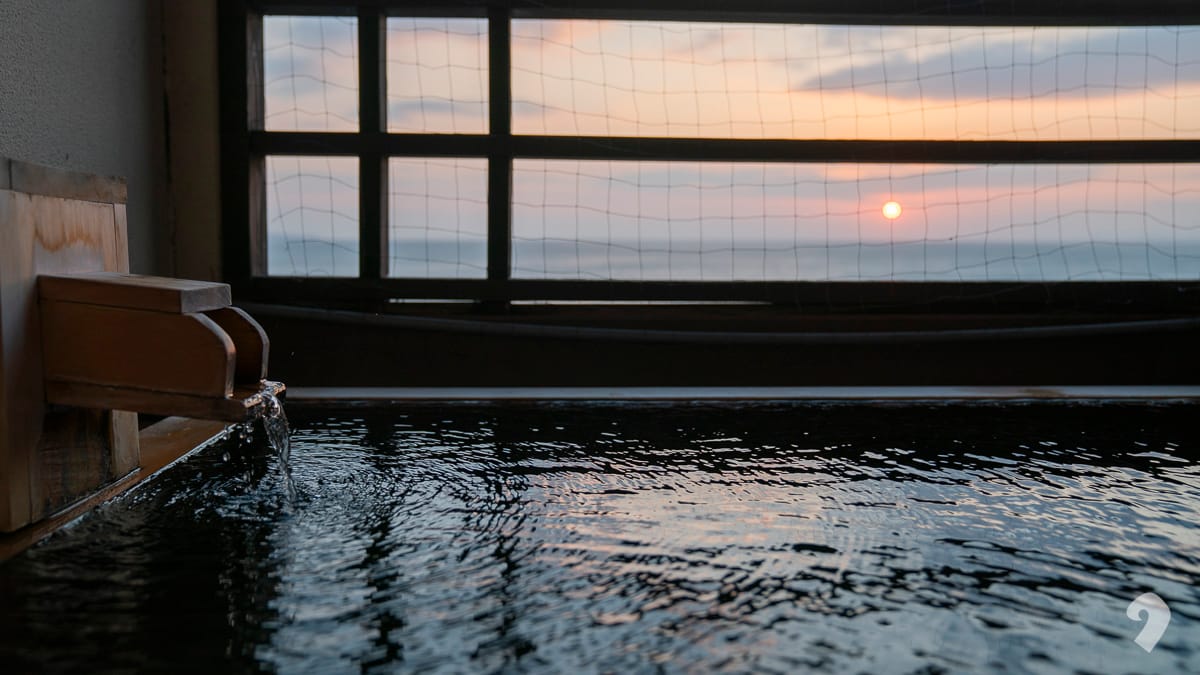
A trip to Kyushu would hardly be complete without a soak in its hot springs. The region has some of Japan’s richest geothermal resources: according to Japan’s Ministry of Foreign Affairs, Oita Prefecture leads the country with 2,847 hot spring sources producing 102,671 liters of water per minute. In travel website Jalan’s Popular Hot Spring Destinations Ranking 2026, seven Kyushu destinations made the national top 50 for places visitors most want to return to. Beyond the perennial favorite Yufuin, we compare 10 hot spring towns by water characteristics and accessibility to help you find the right one.
Kyushu onsen rankings: Which hot spring towns are most popular in 2026?
According to Jalan’s 2026 rankings, Kyushu’s three standout hot spring destinations are Beppu, Yufuin and Kurokawa. Beppu ranks second nationwide among places visitors most want to revisit, Yufuin takes first place among destinations people most want to visit, and Kurokawa ranks sixth nationally for visitor satisfaction, with a score of 94.6%.
| Hot spring destination | Prefecture | Most want to revisit (national rank) | Most want to visit (national rank) |
|---|---|---|---|
| Beppu Onsen (別府温泉) | Oita | 2nd | 5th |
| Yufuin Onsen (由布院温泉) | Oita | 5th | 1st |
| Kurokawa Onsen (黒川温泉) | Kumamoto | 10th | 13th |
| Ibusuki Onsen (指宿温泉) | Kagoshima | 15th | 14th |
| Ureshino Onsen (嬉野温泉) | Saga | 23rd | 32nd |
| Unzen Onsen (雲仙温泉) | Nagasaki | 27th | 34th |
| Kirishima Onsen (霧島温泉) | Kagoshima | 31st | 43rd |
Comparing Kyushu’s 10 best onsen towns
Beppu Onsen: The best choice for variety on a budget
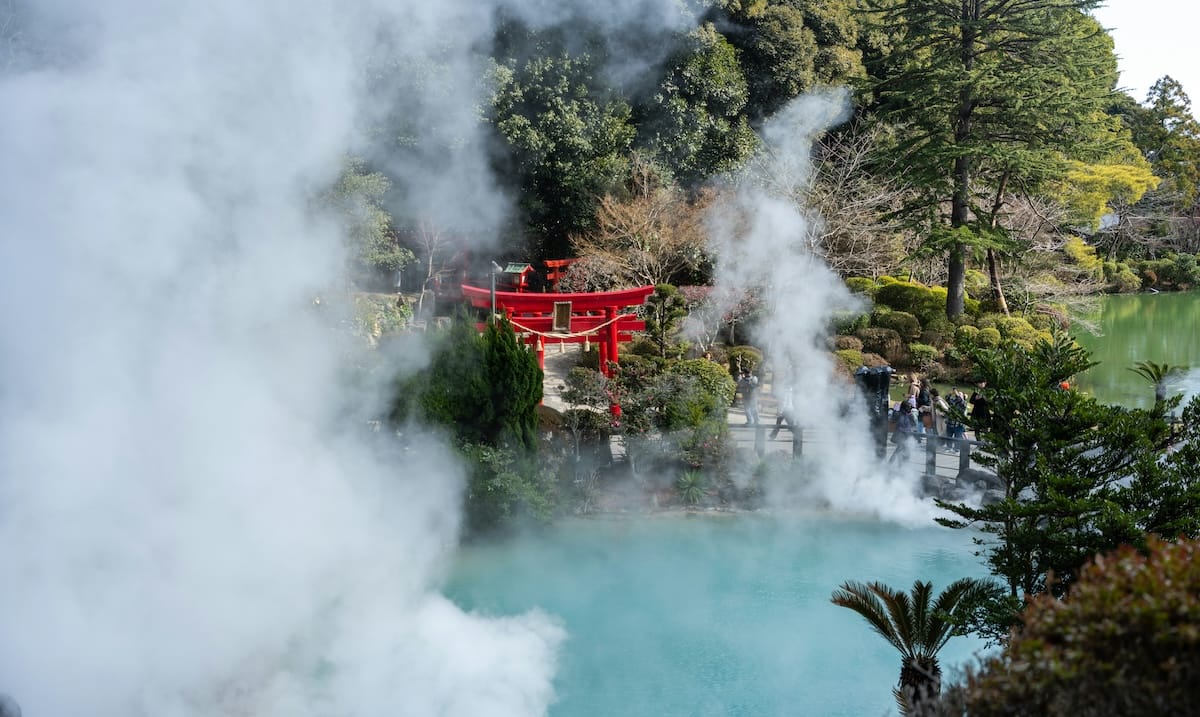
Beppu Onsen is ideal for travelers who want to experience several types of hot spring water without spending a fortune. Of Japan’s 10 officially classified spring types, seven are found in Beppu, spread across eight hot spring districts including Kannawa and Myoban. At the municipal Takegawara Onsen (竹瓦温泉), a regular bath costs just ¥300, while the sand bath costs ¥1,500. From Hakata, the JR Sonic (ソニック) limited express takes approximately 2 hours, or you can take the Toyonokuni-go (とよのくに号) highway bus from Tenjin in around 2 hours 20 minutes. Accommodation ranges from traditional ryokan to business hotels, making Beppu one of the easiest places to match your budget. The city is relatively lively, however, so it is less suited to travelers seeking a secluded mountain retreat.
Yufuin Onsen: Why is it ideal for first-time visitors?
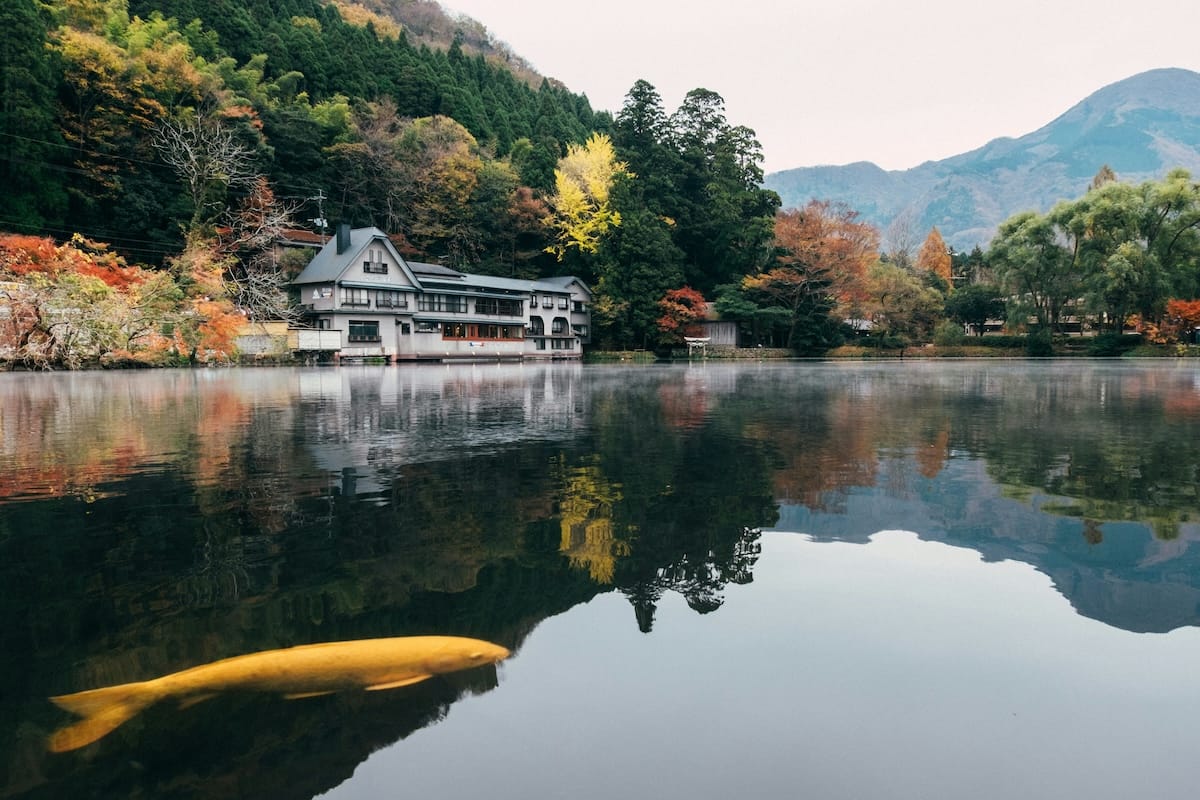
Yufuin Onsen ranks first nationwide in Jalan’s 2026 list of hot spring destinations people most want to visit. Its water is predominantly simple thermal spring water, usually clear, colorless and refreshing on the skin. With relatively little irritation, it is a welcoming introduction to Japanese hot springs, including for families with children and older travelers. The Yufuin-go (ゆふいん号) highway bus from Tenjin takes approximately 2 hours 25 minutes and costs ¥3,250; reservations are required. The JR Yufuin no Mori (ゆふいんの森) sightseeing limited express takes around 2 hours 15 minutes from Hakata.
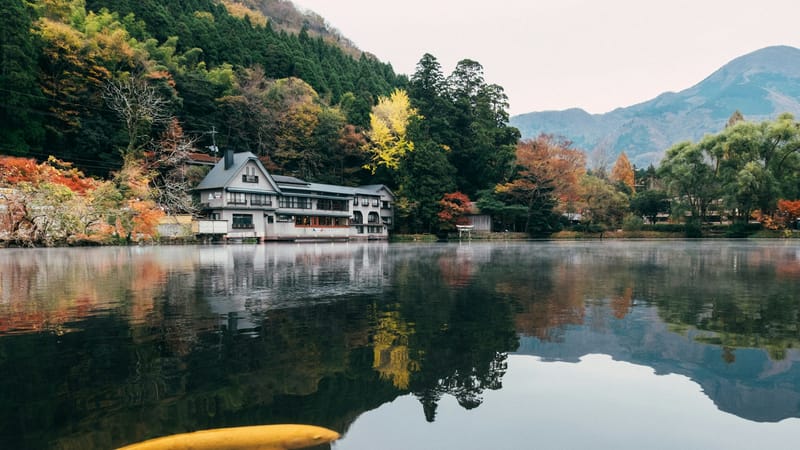
On cold mornings from autumn to early winter, mist often forms above Lake Kinrin (金鱗湖), creating Yufuin’s best-known scenery. Yunotsubo Street (湯の坪街道) is crowded with shoppers during the day, so staying overnight gives you a chance to enjoy a quieter morning walk.
Kurokawa Onsen: Is it worth the three-hour journey?
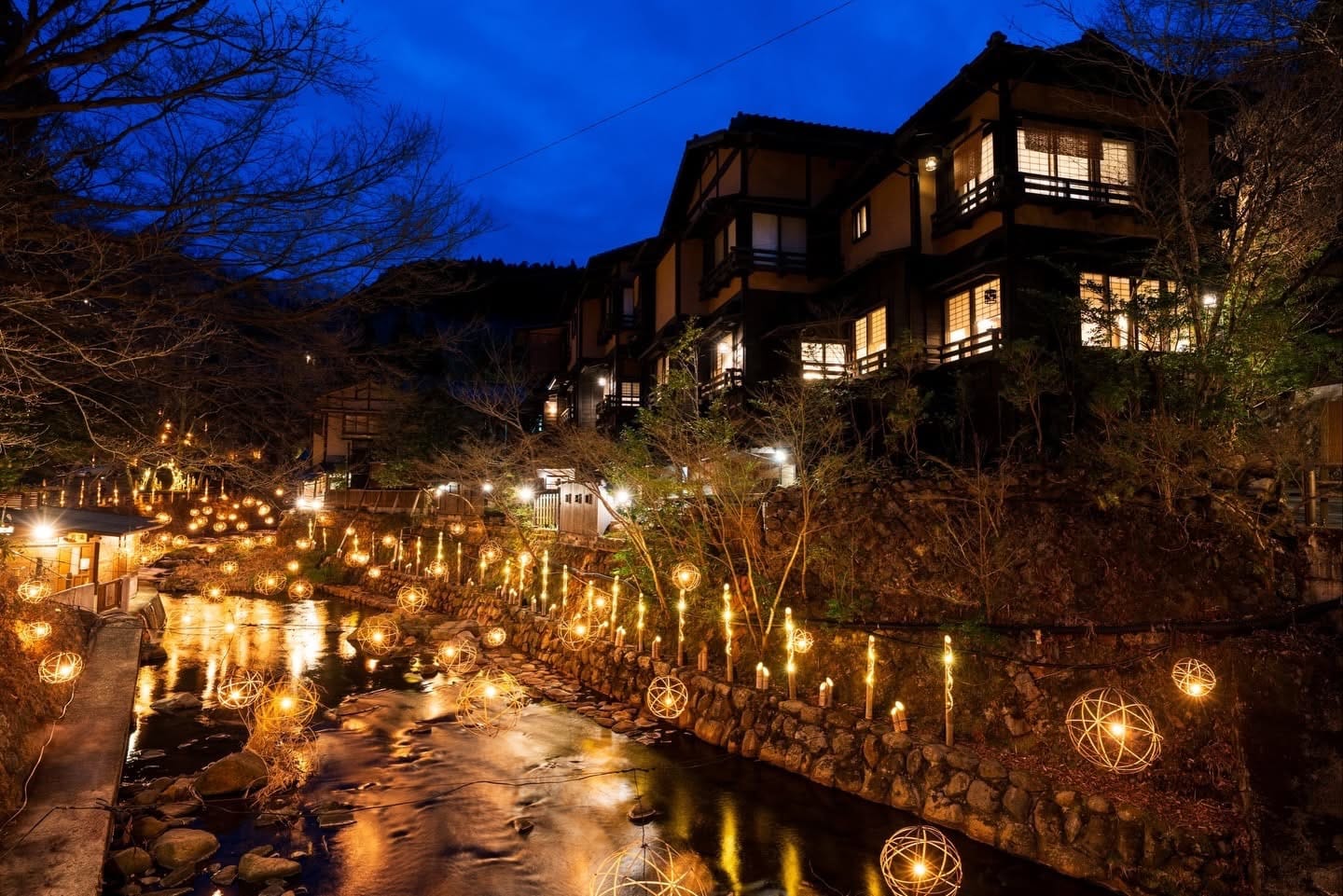
Kurokawa Onsen lies in a mountain valley in Minamioguni, Kumamoto Prefecture, where around 24 ryokan line the stream and neon signs are notably absent. The area has seven types of hot spring water, including sulfur springs and simple thermal springs. Its signature experience is the Nyuto Tegata (入湯手形), a wooden bathing pass costing ¥1,300 that allows entry to three outdoor baths chosen from 28, valid for six months. A highway bus from Tenjin takes around 3 hours and costs ¥4,000 one way. Following the July 2026 Kumamoto earthquake, no major damage was confirmed in the hot spring village, and normal operations resumed on July 29. See our latest Kumamoto earthquake travel updates. Kurokawa is particularly rewarding for travelers who value atmosphere, but it is difficult to justify squeezing into a three-day trip without a rental car.
Ureshino Onsen: Silky water and hot spring tofu
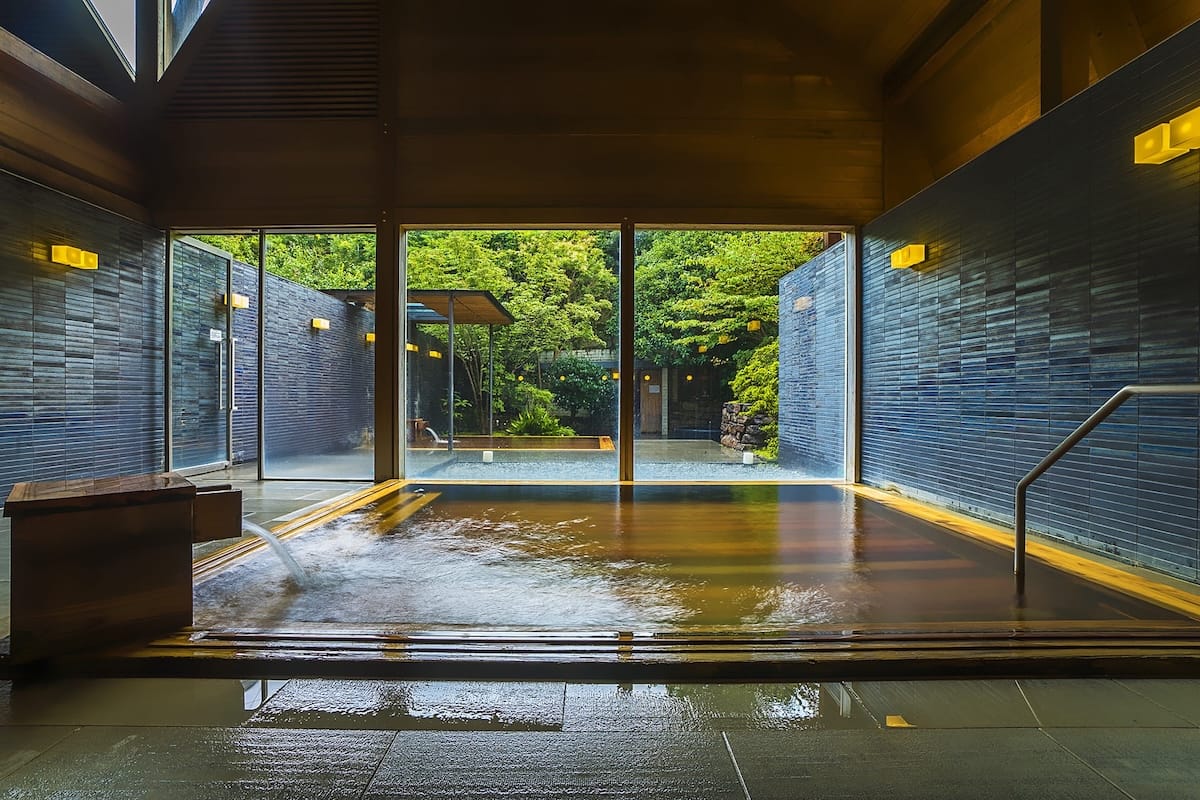
Ureshino Onsen is recognized as one of Japan’s Three Great Beauty Hot Springs. Its sodium bicarbonate-chloride water, often described as a baking soda spring, leaves the skin feeling smooth after bathing. Local specialties include onsen yudofu (温泉湯どうふ), tofu simmered in hot spring water, and Ureshino tea. The train journey from Hakata to Ureshino-Onsen Station on the West Kyushu Shinkansen takes approximately 1 hour 10 minutes. However, the hot spring town is around 1.9 km from the station, requiring a bus or taxi transfer. The public bath Siebold no Yu (シーボルトの湯) costs ¥450 for adults. Ureshino suits travelers interested in spring water characteristics who are already planning a trip between Fukuoka and Nagasaki.
Takeo Onsen: 1,300 years of history within reach of Hakata
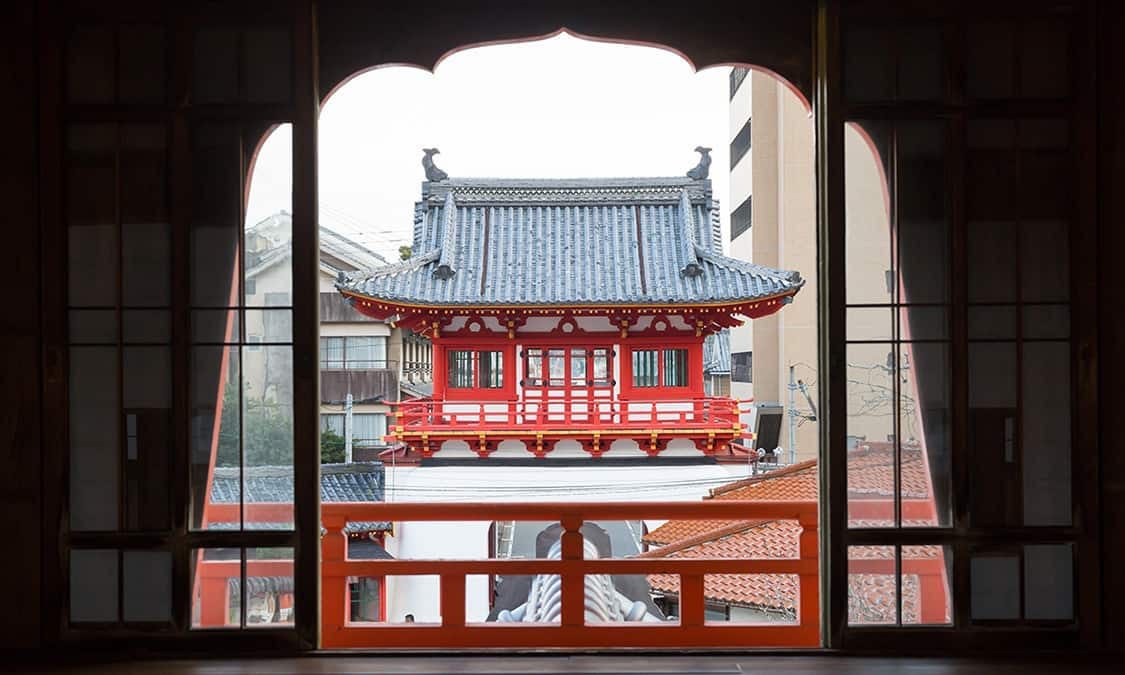
Takeo Onsen (武雄温泉) has a history stretching back 1,300 years. Its mildly alkaline simple thermal spring water is also associated with skin-smoothing properties. The striking vermilion entrance gate was designed by Kingo Tatsuno, the architect of Tokyo Station, and completed in 1914. It is now a nationally designated Important Cultural Property. Motoyu (元湯), built in 1876, is said to be Japan’s oldest surviving wooden hot spring bathhouse. Admission costs ¥500 for adults, and it is approximately 10–15 minutes on foot from JR Takeo-Onsen Station. The water itself is relatively straightforward, but the historic architecture makes Takeo especially appealing. It can also be combined with an overnight stay in Ureshino.
Unzen Onsen: Volcanic steam and milky sulfur baths
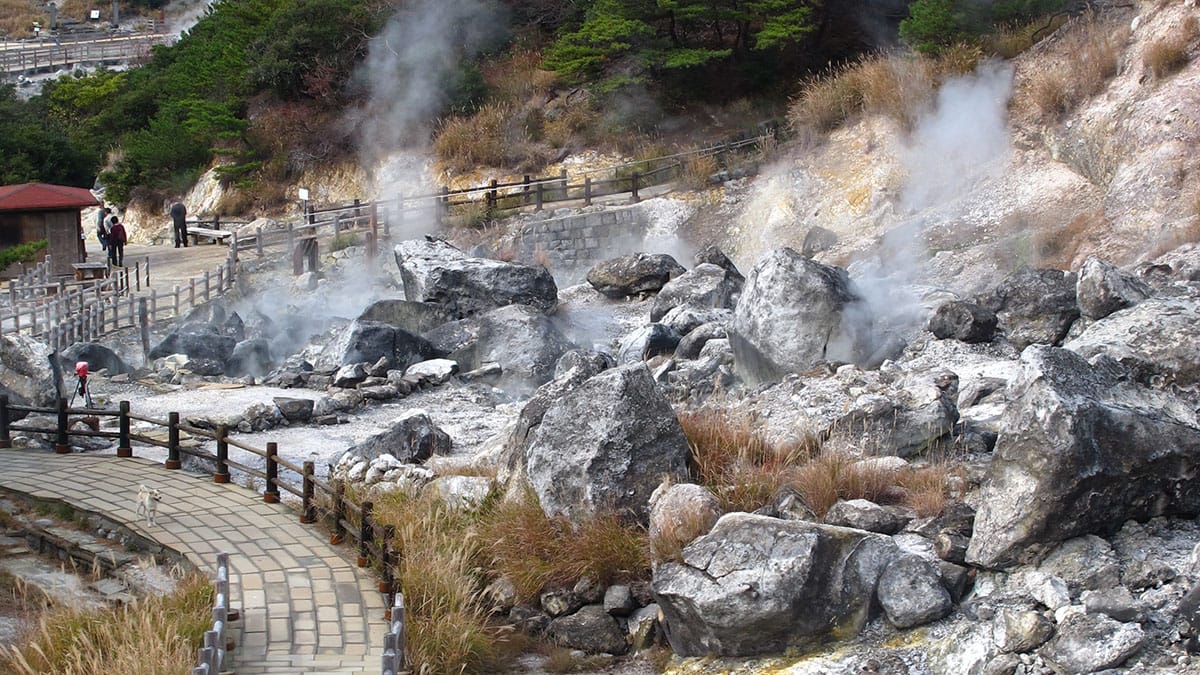
Unzen Onsen sits at an elevation of approximately 700 meters on Nagasaki Prefecture’s Shimabara Peninsula. Its waters are predominantly acidic, sulfur-containing sulfate springs, some with a cloudy white appearance. Unzen Jigoku (雲仙地獄), in the center of the hot spring town, has more than 30 steaming vents connected by walking paths. Unzen became part of one of Japan’s first national parks in 1934. From JR Isahaya Station, the Shimabara Railway bus takes around 1 hour 20 minutes, while driving from central Nagasaki takes approximately 80 minutes. It works well as part of a trip combining Nagasaki City and a hot spring stay. The acidic water can be irritating, however, so people with sensitive skin may prefer shorter baths.
Ibusuki Onsen: What is a natural sand bath?
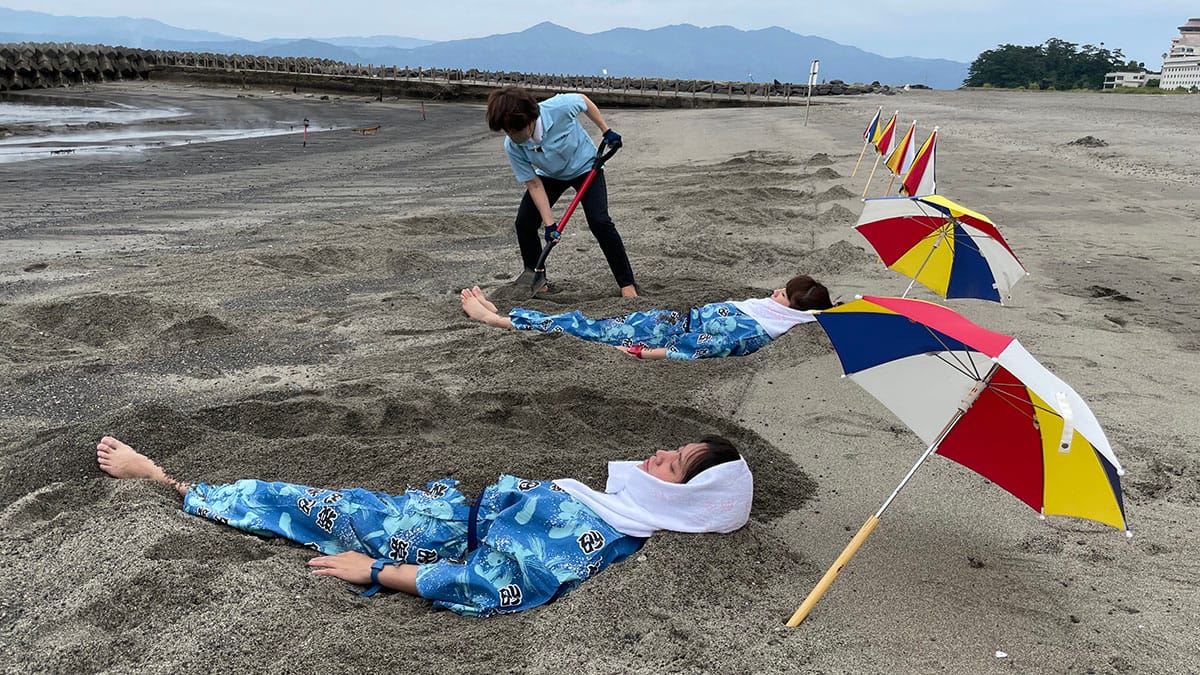
Ibusuki Onsen is famous for its natural sand baths, known as sunamushi (砂むし). Wearing a yukata, you lie on the beach while attendants cover your body with sand heated by geothermal water. The sand reaches approximately 50–55°C, and a typical session lasts 10–15 minutes. Most local hot springs contain sodium chloride water. At Saraku Sand Bath Hall (砂むし会館「砂楽」), admission including a yukata costs ¥1,500 for adults. The facility is approximately 5 minutes by bus from JR Ibusuki Station. From Kagoshima-Chuo Station, local trains take around an hour. Alternatively, the reserved-seat Ibusuki no Tamatebako (指宿のたまて箱) sightseeing limited express costs ¥2,140 one way. Travelers coming south from Fukuoka by Kyushu Shinkansen can also check our Kagoshima Shinkansen One-Way Ticket Promotion Guide for applicable offers.
Kirishima Onsen: Mountain hot springs near Kagoshima Airport
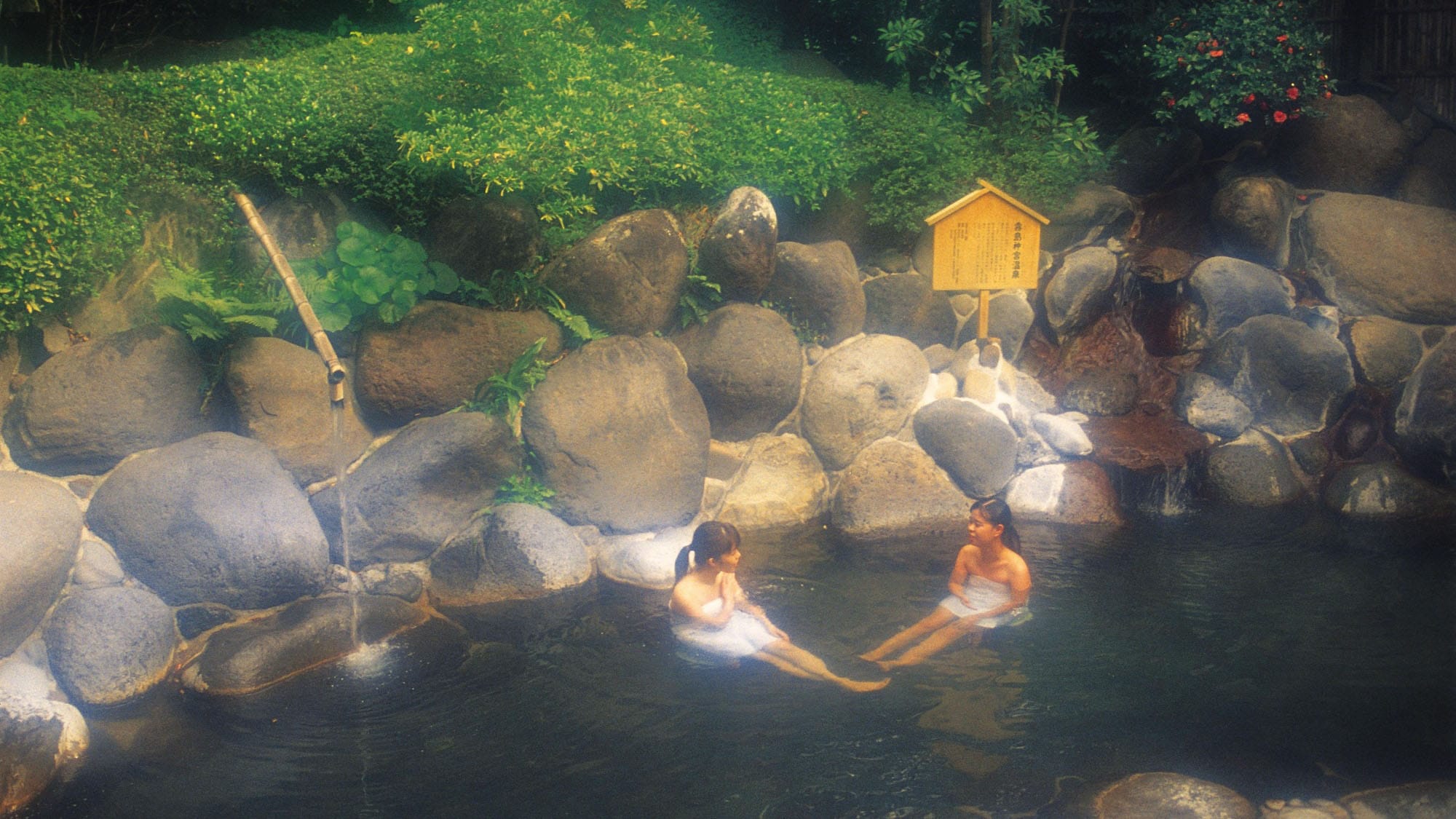
Kirishima Onsen comprises more than 20 hot spring areas, including Maruo, Iodani and Hayashida, scattered across the southern slopes of the Kirishima mountains. Water types include sulfur springs, simple thermal springs, carbon dioxide springs, chloride springs and iron-containing springs. Buses from JR Kirishima-Jingu Station take approximately 30–40 minutes, while the area is around 20 km by car from the Mizobe Kagoshima Airport interchange. Kirishima makes a good final overnight stop on a Kagoshima itinerary. Without a car, services are less frequent, so check bus schedules in advance.
Nagayu Onsen: Japan’s unusual natural carbonated springs
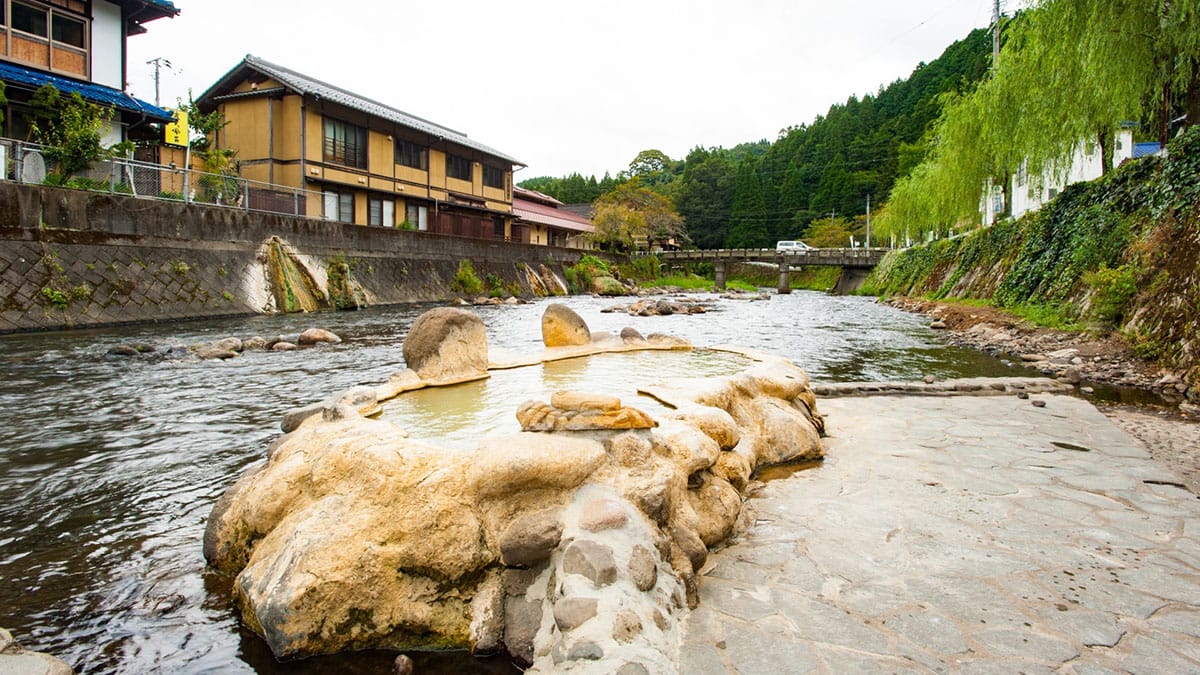
Nagayu Onsen (長湯温泉) is located in Taketa, Oita Prefecture, and is known for carbon dioxide-rich and bicarbonate spring water. It claims Japan’s highest output of carbonated hot spring water. At the distinctive Lamune Onsenkan (ラムネ温泉館), adult admission to the large bathing area costs ¥800. Facilities include a 42°C indoor bath and a cooler 32°C outdoor bath. It closes on the first Wednesday of each month. Nagayu is approximately 30 km from Oita Mitsuyoshi IC, and public transportation is inconvenient. It is best explored by car, possibly as part of a route through Kurokawa and Aso. Before driving, read our Japan Driving Safety Guide for International Visitors.
Futsukaichi Onsen: The closest hot spring getaway from Fukuoka
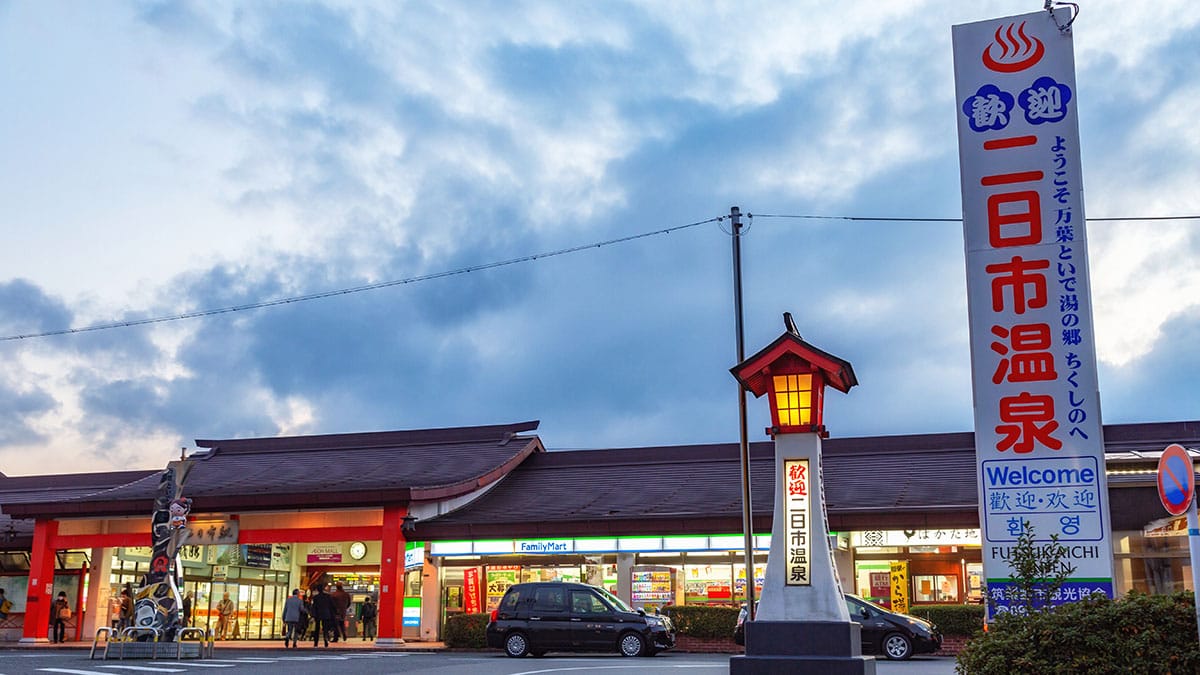
Futsukaichi Onsen (二日市温泉) is in Chikushino, Fukuoka Prefecture. Its alkaline simple thermal spring water has been enjoyed for more than 1,300 years, with references appearing in the Manyoshu poetry collection. From Hakata, take a JR train to Futsukaichi Station, then walk approximately 7 minutes to the public bath Hakata-yu (博多湯). Adult admission costs ¥350 on weekdays and ¥450 on weekends and public holidays. If you have only half a day or want to combine a hot spring visit with Dazaifu, Futsukaichi is an efficient choice. Because Chikushino is outside Fukuoka City, eligible accommodation may qualify for the Fukuoka Prefecture ¥3,000-per-Night Hotel Discount. The hot spring district itself is small, however, and does not warrant a dedicated two-night stay.
Which Kyushu onsen should you choose for your first visit?
If you have only four or five days in Kyushu, start by choosing between Yufuin and Beppu. The following recommendations may help.
- First-time bathers, older travelers and families with children: Yufuin, where simple thermal spring water is relatively gentle on the skin.
- Travelers seeking variety on a budget: Beppu, where public baths cost around ¥100–¥300 and you can try several in a day.
- Couples and travelers seeking tranquility: Kurokawa, with relatively few inns and a quiet atmosphere in the evenings.
- Visitors interested in skin-smoothing spring water: Ureshino, which fits well into a Fukuoka and Nagasaki itinerary.
- Travelers looking for something different: Ibusuki’s sand baths or Nagayu’s carbonated springs.
Japanese onsen ryokan can have strict tattoo policies. If you have tattoos, consider booking a private family bath, known as a kashikiri buro (貸切風呂).
Kyushu onsen transportation and day-use bath prices
| Hot spring town | Main spring water type | Main transportation (approx.) | Day-use bathing price |
|---|---|---|---|
| Beppu | 7 spring water types | JR limited express from Hakata, 2 hours | Takegawara Onsen ¥300 |
| Yufuin | Simple thermal springs | Bus from Tenjin, 2 hours 25 minutes (¥3,250) | Public baths from ¥200 |
| Kurokawa | 7 types, including sulfur springs | Bus from Tenjin, approximately 3 hours (¥4,000) | Nyuto Tegata ¥1,300 (3 baths) |
| Ureshino | Sodium bicarbonate springs | Train from Hakata, 1 hour 10 minutes, then bus or taxi | Siebold no Yu ¥450 |
| Takeo | Mildly alkaline simple thermal springs | 10–15 minutes on foot from JR Takeo-Onsen Station | Motoyu ¥500 |
| Unzen | Acidic sulfur springs | Bus from Isahaya Station, 1 hour 20 minutes | No standardized price information available |
| Ibusuki | Chloride springs | Train from Kagoshima-Chuo Station, approximately 1 hour | Saraku ¥1,500 |
| Kirishima | Several types, including sulfur springs | Bus from Kirishima-Jingu Station, 30–40 minutes | No standardized price information available |
| Nagayu | Carbonated springs | Primarily accessible by car | Lamune Onsenkan ¥800 |
| Futsukaichi | Alkaline simple thermal springs | 7 minutes on foot from JR Futsukaichi Station | Hakata-yu from ¥350 |
Most onsen ryokan offer rates based on an overnight stay with dinner and breakfast, known as ippaku nishoku (一泊二食). Prices can vary severalfold between properties in the same area, depending on the level of accommodation. Weekends, autumn foliage season and the year-end holidays tend to be significantly more expensive. Compare ryokan rates early or look for accommodation promotions, and avoid Japanese public holiday periods where possible.
How to plan a 4–5 day Kyushu onsen itinerary
Starting from Fukuoka, the most straightforward route without a rental car is Fukuoka → Yufuin → Beppu.
- Oita route: Day 1: Arrive in Fukuoka. Day 2: Take a bus to Yufuin and stay overnight. Day 3: Take a bus to Beppu, approximately 1 hour away, and spend another night. Day 4: Return to Hakata by JR limited express. Day 5: Depart Japan.
- Saga and Nagasaki route: Day 1: Arrive in Fukuoka. Day 2: Take a train to Takeo and bathe at Motoyu, then stay overnight in Ureshino. Day 3: Travel via Isahaya to Unzen for another overnight stay. Day 4: Return to Nagasaki City or Fukuoka. Day 5: Depart Japan.
What should you know before visiting a Kyushu onsen?
One of the most common mistakes is booking accommodation too late. Weekend and autumn foliage season rooms in Yufuin and Kurokawa often sell out two to three months ahead. Snow is possible around Aso and Kurokawa in winter, potentially affecting bus services; drivers should rent a car equipped with winter tires. Shower and wash thoroughly before entering a communal bath, and never put your towel in the bathwater. Tattoo rules vary by facility. Prices and opening hours may change, so check before visiting.
Frequently asked questions
Which Kyushu onsen is best for first-time visitors?
Yufuin and Beppu are the easiest choices for a first onsen trip. Both are approximately two and a half hours from Fukuoka by bus and offer plenty of accommodation. Yufuin is known for gentle simple thermal spring water, while Beppu offers several different types of hot springs.
What is the number one hot spring destination in Kyushu?
It depends on the ranking. In Jalan’s 2026 survey, Beppu ranks second nationally for destinations visitors most want to revisit, the highest position in Kyushu. Yufuin ranks first nationwide among places people most want to visit. Kurokawa records 94.6% visitor satisfaction, the highest among Kyushu destinations in its overall category.
Should you stay in Beppu or Yufuin?
Choose Yufuin for a quieter atmosphere and a traditional ryokan experience. Beppu is better for trying several types of hot spring water and keeping accommodation costs down. The towns are approximately one hour apart by bus, making it possible to spend a night in each.
How long does it take to reach Kurokawa Onsen from Fukuoka?
The highway bus from Tenjin in Fukuoka takes approximately 3 hours and costs ¥4,000 one way. Reservations are recommended. By car, Kurokawa Onsen is around 62 km from Kumamoto IC on the Kyushu Expressway.
Can you use Japanese onsen if you have tattoos?
It depends on the facility. Many ryokan and public bathhouses still restrict access to communal baths for guests with tattoos. A private family bath is an alternative, or you can contact the property in advance to check its policy.
For a first Kyushu onsen trip, Yufuin and Beppu offer the easiest introduction. Kurokawa is the choice for atmosphere, while Ureshino, Unzen, Ibusuki and Nagayu each offer distinctive spring water or bathing experiences. Decide your route based on the length of your trip and arrival airport, then choose one or two hot spring towns where you can spend the night.
Information updated October 2026. This guide draws on information from Japan’s Ministry of Foreign Affairs, Jalan Research Center, the Kurokawa Onsen Tourism Ryokan Association, Nishitetsu Bus, JR Kyushu and local hot spring tourism associations. Prices and schedules may change, so check official announcements before departure.