Oita Travel Guide: Yufuin, Beppu, Kokonoe and Hita
Plan a trip to Yufuin and Beppu in 2026, with transport from Fukuoka, the ¥2,400 Beppu Hells pass, Kokonoe Yume Otsurihashi and Hita. Includes fares, opening hours and a 3-day itinerary.
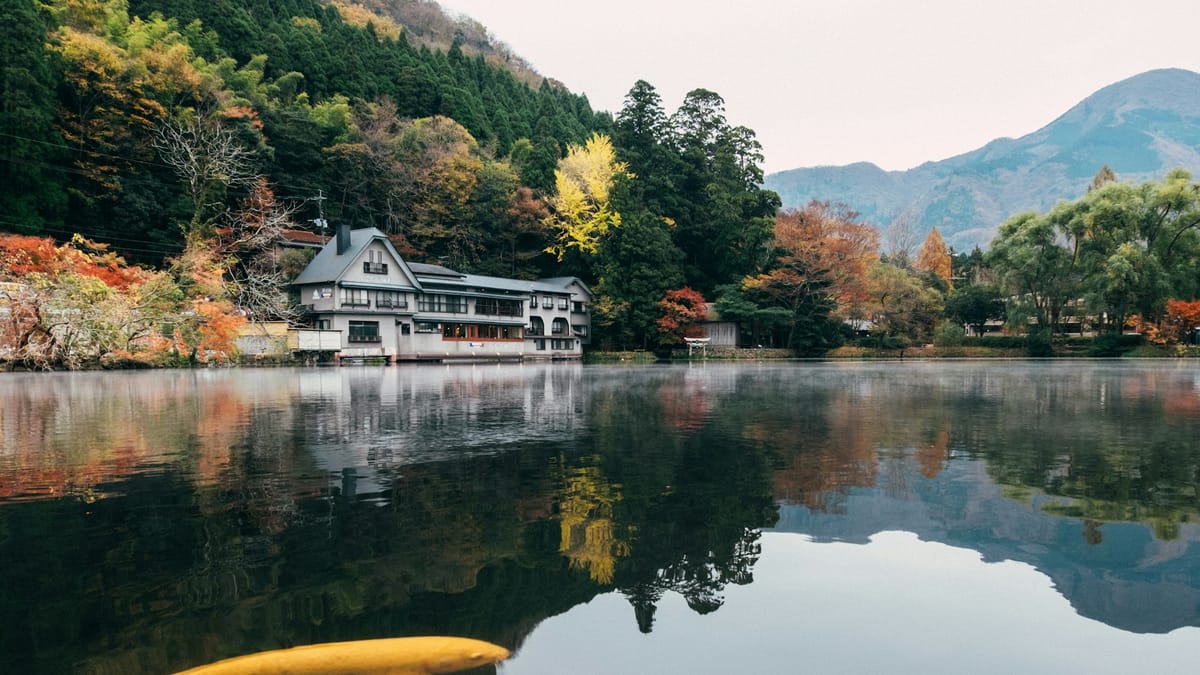
For a first trip to Oita, the most convenient route from Fukuoka is to stay in Yufuin (由布院, also written 湯布院) first, then Beppu (別府). The bus between the two takes around 50 minutes. Kokonoe (九重) is especially rewarding during autumn foliage season or on a road trip, while Hita (日田) makes a good half-day stop on the way to Yufuin.
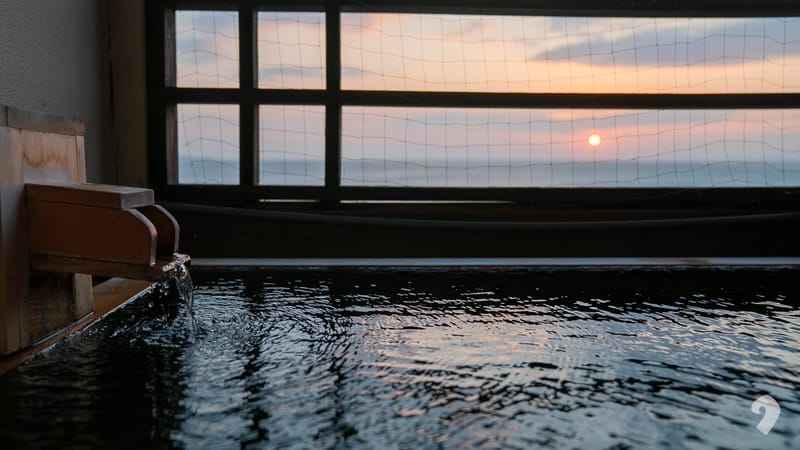
Oita Prefecture calls itself Japan’s Onsen Prefecture (おんせん県), and the figures support the claim. According to prefectural government data, its hot springs produce approximately 298,000 liters of water per minute, accounting for 11.8% of Japan’s total and ranking first nationwide. Fukuoka is a convenient starting point, with JR journeys from Hakata to Yufuin or Beppu taking around two hours. Both destinations can fit into a four- or five-day Kyushu trip.
The challenge is that Oita’s four popular destinations offer very different experiences. Yufuin is a small town for leisurely walks and traditional ryokan stays; Beppu is a hot spring city known for its Hells tour; Kokonoe has highland scenery and a suspension bridge; and Hita combines Edo-period streets with attractions connected to Attack on Titan. Transportation between the four areas is not always straightforward, and trying to visit them all can mean spending much of your trip in transit. This guide covers attractions, transportation costs and a three-day itinerary. For a wider comparison of hot spring destinations, see our Guide to Kyushu’s 10 Best Onsen Towns.
What are the must-see attractions in Oita? Comparing four areas
For a first visit to Oita, prioritize an overnight stay in Yufuin or Beppu, then add Kokonoe or Hita according to your interests.
| Area | Highlights | Travel from Fukuoka (approx.) | Recommended stay | Best for |
|---|---|---|---|---|
| Yufuin | Lake Kinrin, Yunotsubo Street and traditional onsen ryokan | Approximately 2 hours to 2 hours 20 minutes by JR limited express or highway bus | 1 night | First-time onsen visitors, couples and older travelers |
| Beppu | Beppu Hells tour, jigoku-mushi steam cooking and public baths | Approximately 2 hours by JR limited express | 1–2 nights | Travelers wanting to try different types of hot springs or keep costs down |
| Kokonoe | Kokonoe Yume Otsurihashi suspension bridge, Handa Highlands and autumn foliage | Primarily by car; approximately 25 minutes from Kokonoe IC | Half a day to 1 day | Road trips and nature lovers |
| Hita | Historic Mameda-machi streets and Attack on Titan attractions | Approximately 1 hour 35 minutes by highway bus | Half a day | Anime fans and travelers who enjoy historic towns |
Kokonoe lies in the mountains southwest of Yufuin, while Hita is on the route between Yufuin and Fukuoka. Eastern Oita faces Shikoku across the Hoyo Strait. Travelers planning a longer road trip can read about Kyushu–Shikoku ferry connections and the proposed undersea tunnel when considering both regions in one itinerary.
What is there to do in Yufuin, and who should visit?
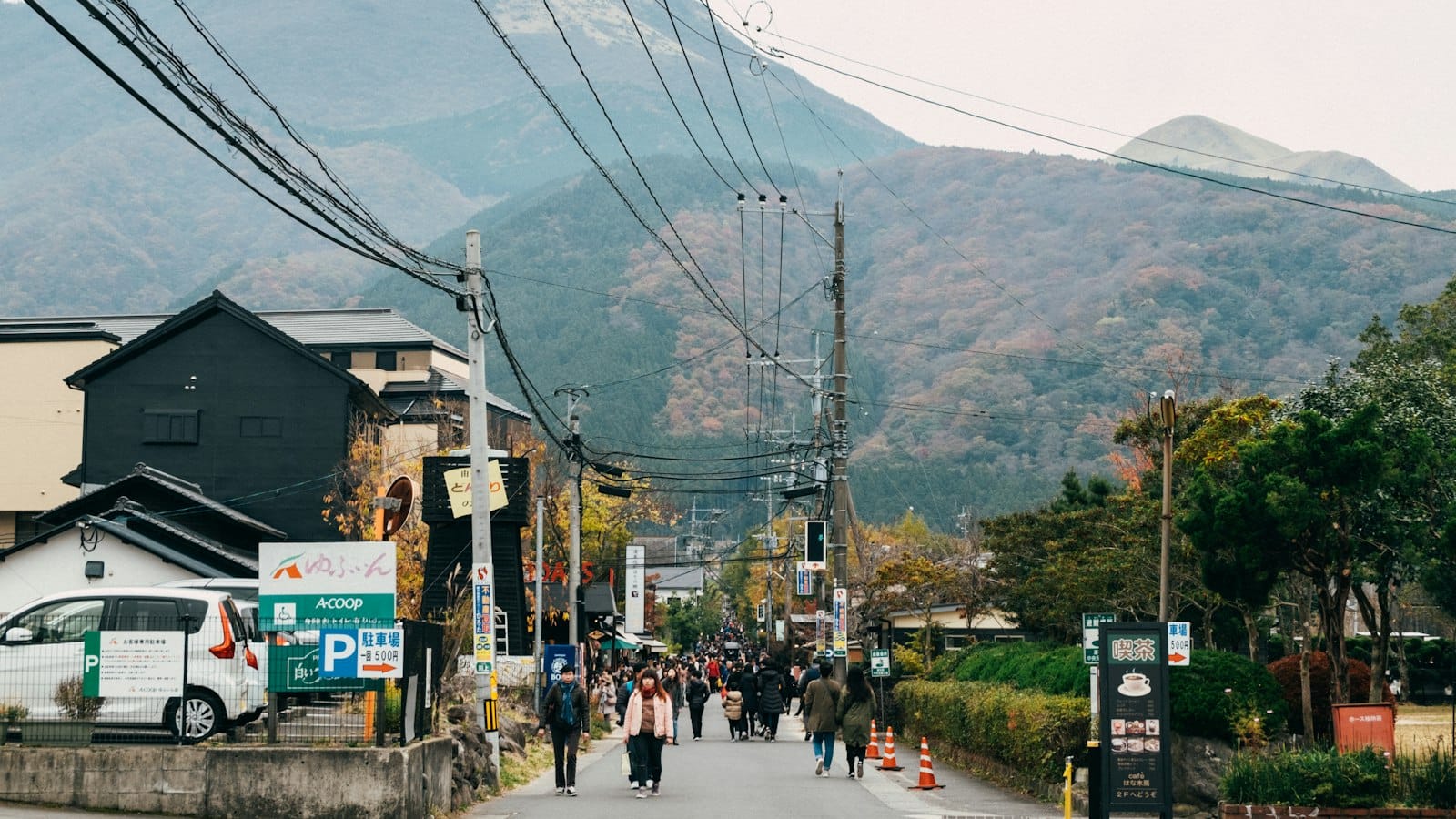
Yufuin is ideal for travelers who want to enjoy a leisurely walk through a small town and stay at a traditional hot spring inn. Most attractions lie along the route between Yufuin Station and Lake Kinrin, around 20–30 minutes on foot. Weekends and autumn foliage season bring large crowds, so staying overnight and exploring early in the morning offers a quieter experience.
Lake Kinrin (金鱗湖)
Lake Kinrin is Yufuin’s signature natural attraction. Both spring water and hot spring water flow into the lake, creating mist above the surface on cold mornings from autumn through winter. Walking around the lakeside takes approximately 15–20 minutes, and admission is free. Even the earliest Yufuin no Mori (ゆふいんの森) sightseeing train from Hakata does not arrive until 11:31, too late to see the morning mist. This is one of the strongest reasons to stay overnight.
Yunotsubo Street (湯の坪街道)
Yunotsubo Street is the main shopping street linking Yufuin Station with Lake Kinrin. Dessert shops and souvenir stores line the route, making it easy to sample local treats as you walk. It gets crowded during the day; for a quieter alternative, follow the parallel paths beside the Oita River. Most shops in Yufuin close early in the evening, so it is not a destination for nightlife. Book ryokan two to three months ahead for weekends and autumn foliage season.
How do you visit the Beppu Hells, and how much is the combined ticket?
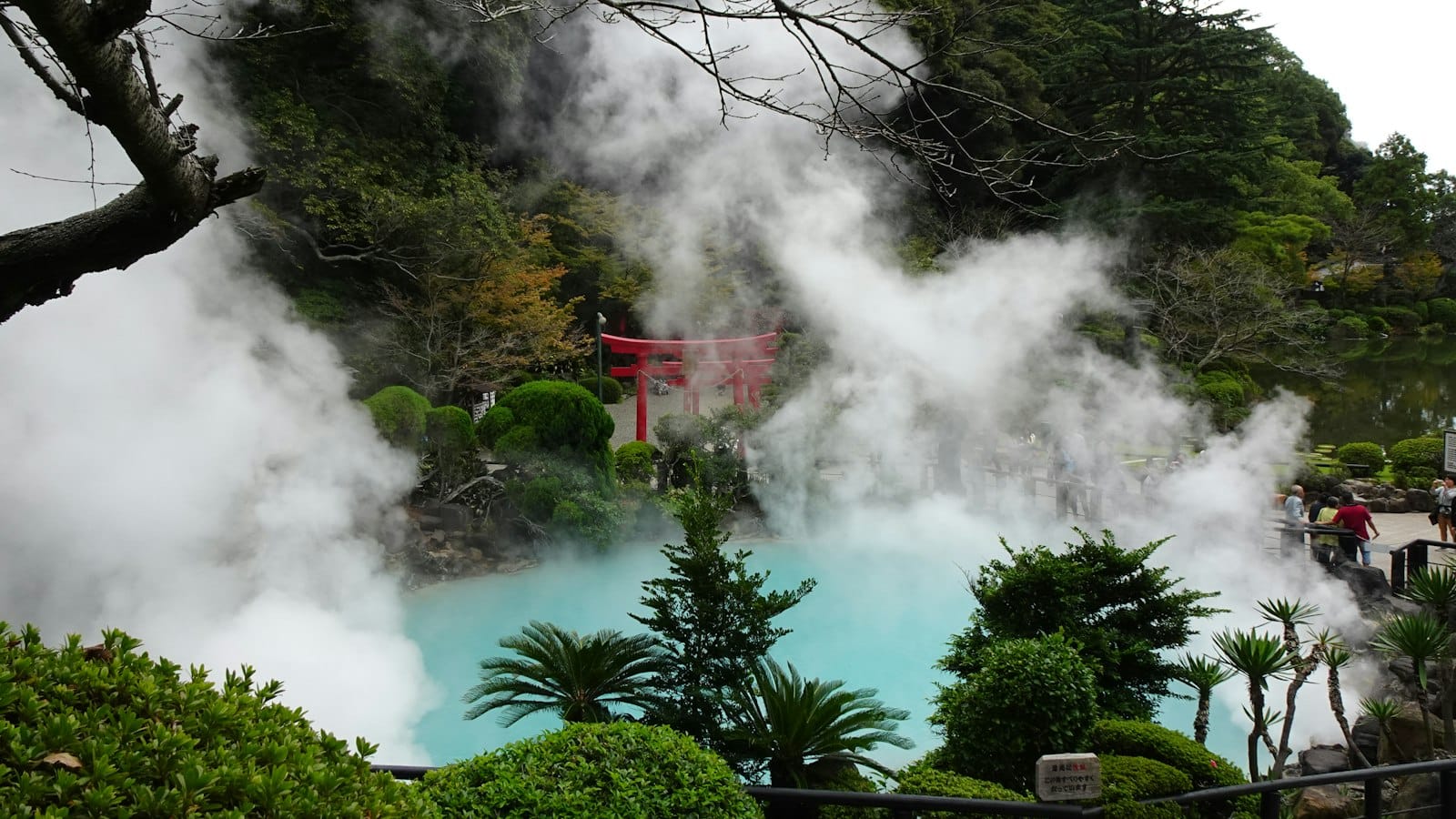
The Beppu Hells Tour (べっぷ地獄めぐり) consists of seven geothermal hot springs known as “hells.” These extremely hot springs are for viewing rather than bathing. A combined admission ticket costs ¥2,400 for adults and is valid for two days, including the day of purchase and the following day. It allows one entry to each of the seven hells. All seven are open from 8:00 to 17:00, year-round.
The seven hells are divided between two areas. Umi Jigoku (海地獄), Oniishibozu Jigoku (鬼石坊主地獄), Kamado Jigoku (かまど地獄), Oniyama Jigoku (鬼山地獄) and Shiraike Jigoku (白池地獄) are concentrated in Kannawa (鉄輪), where you can walk between them. Chinoike Jigoku (血の池地獄) and Tatsumaki Jigoku (龍巻地獄) are in the Shibaseki area and require a bus or taxi. Allow approximately two to three hours to see all seven. If time is limited, prioritize Umi Jigoku, the red waters of Chinoike Jigoku and the periodically erupting geyser at Tatsumaki Jigoku. All three are nationally designated Places of Scenic Beauty.
From Beppu Station, take a Kamenoi Bus (亀の井バス) for approximately 20 minutes to the Umi Jigoku-mae stop. Around Kannawa Onsen, you can also visit jigoku-mushi cooking facilities, where visitors use natural hot spring steam to cook seafood and vegetables.
Beppu is livelier than Yufuin and has a wider range of accommodation, making it a good choice for budget-conscious travelers or anyone wanting to experience several types of hot springs. Families can also visit Harmonyland, Oita’s Sanrio Theme Park, in nearby Hiji, which works as a half-day or full-day outing.
Is Kokonoe Yume Otsurihashi worth a special trip?
Kokonoe Yume Otsurihashi (九重“夢”大吊橋) stands 173 meters above the valley and stretches 390 meters across, making it Japan’s highest pedestrian suspension bridge. It is especially worth visiting during autumn foliage season or when exploring Oita by car. From the bridge, you can see Shindo Falls (震動の滝), one of Japan’s 100 celebrated waterfalls. Transparent viewing panels in the center of the bridge let visitors look directly down into the valley.
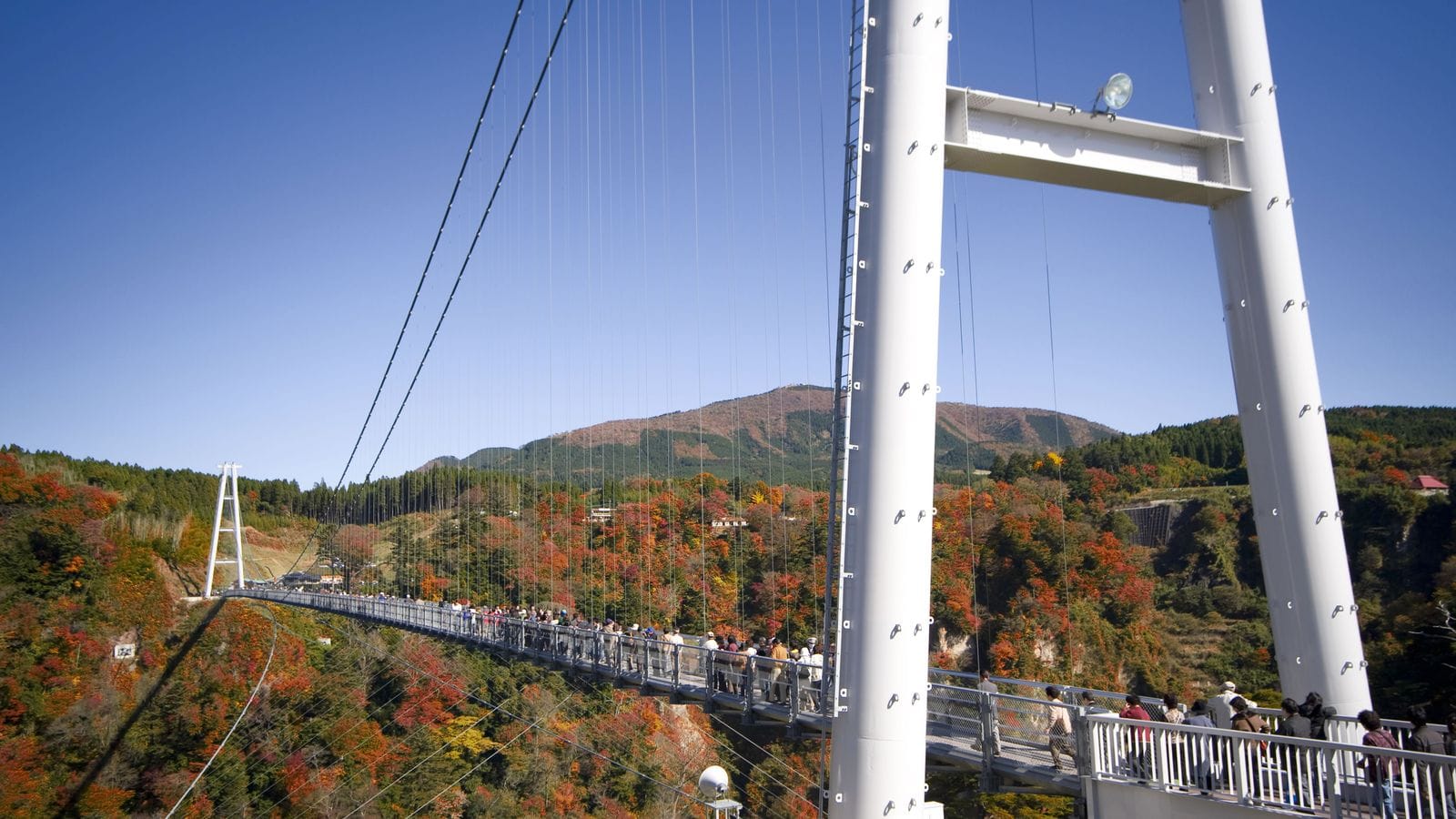
Autumn colors generally appear from late October to mid-November. Parking lots can fill up on weekends, so arrive early in the morning. The bridge is exposed to strong winds, making a windproof jacket useful in autumn and winter. Access may be restricted during strong winds, dense fog, heavy rain or thunderstorms.
Transportation is Kokonoe’s biggest challenge. By public transportation, take a JR train to Bungo-Nakamura Station and transfer to a Kokonoe community bus for approximately 25 minutes. Kamenoi Bus route 37 also stops at Kokonoe Yume Otsurihashi from Yufuin Station. Both services are infrequent, so check timetables in advance. By car, the bridge is approximately 25 minutes from Kokonoe IC on the Oita Expressway. You can combine it with a drive along the Yamanami Highway (やまなみハイウェイ) and through the Handa Highlands (飯田高原). Mountain roads may freeze in winter; see our Japan Driving Safety Guide for International Visitors before setting out.
What is there to see in Hita, and how can you include it in your itinerary?
Hita makes a convenient half-day stop between Fukuoka and Yufuin. The simplest approach is to stop along the way when traveling by Yufuin no Mori or highway bus. During the Edo period, Hita was a tenryo (天領), a territory administered directly by the Tokugawa shogunate. The Mameda-machi (豆田町) district retains traditional white-walled buildings and historic streets, approximately 15 minutes on foot from JR Hita Station.
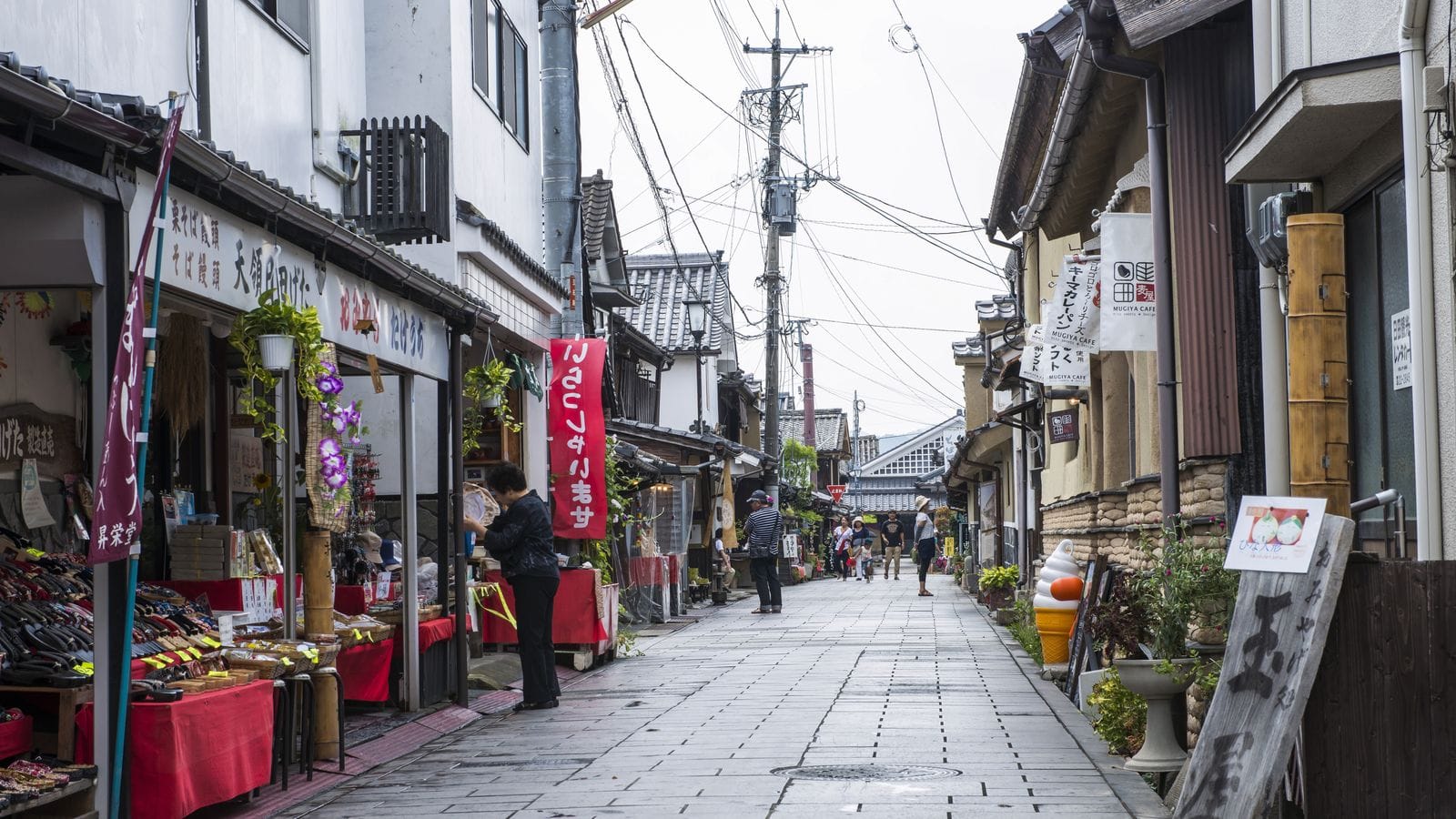
Hita is also the hometown of Hajime Isayama, creator of Attack on Titan (進撃の巨人). Bronze statues of Eren, Mikasa and Armin as children stand below Oyama Dam (大山ダム), approximately 20 minutes by taxi from Hita Station. Nearby, the Attack on Titan in HITA Museum (進撃の巨人 in HITA ミュージアム), located at a roadside station, displays original artwork and the desk used by Isayama.
From Fukuoka, take the Hita-go (ひた号) highway bus from Nishitetsu Tenjin Expressway Bus Terminal to Hita Bus Center. The journey takes approximately 1 hour 35 minutes and costs ¥1,980. Seats are available on a first-come, first-served basis, and reservations are not required.
How do you get from Fukuoka to Yufuin and Beppu?
For Yufuin, the most comfortable option is the JR Yufuin no Mori sightseeing limited express, while the highway bus is the cheapest. For Beppu, the JR Sonic (ソニック) limited express is the most convenient. The following adult one-way fares are based on September–October 2026 information.
| Route | Transportation | Approximate journey time | Fare | Notes |
|---|---|---|---|---|
| Hakata → Yufuin | JR Yufuin no Mori limited express | 2 hours 10–20 minutes | ¥6,130 (online Kyushu Net Ticket ¥5,600) | Reserved seats only; tickets go on sale one month ahead |
| Tenjin/Hakata → Yufuin | Yufuin-go (ゆふいん号) highway bus | 2 hours to 2 hours 25 minutes | ¥3,250 | Reservation required; often sells out on weekends |
| Hakata → Beppu | JR Sonic limited express | Approximately 2 hours | Standard-class reserved seat ¥6,910 | Frequent departures |
| Tenjin → Beppu | Toyonokuni-go (とよのくに号) highway bus | From 2 hours 20 minutes | Check official website | Additional services during certain periods from October 2026 |
| Oita Airport → Beppu | Airport bus Air Liner (エアライナー) | 45–55 minutes | ¥1,600 | No reservation required |
| Oita Airport → Yufuin | Airport express bus | Approximately 55 minutes | ¥1,550 | Less frequent than the Beppu service |
Yufuin no Mori services 1, 3 and 5 depart Hakata at 9:17, 10:11 and 14:38, respectively. Service 3 continues to Beppu. From July to September 2026, some departures were replaced by Yufu (ゆふ) limited express trains because of air-conditioning problems. Normal operations resumed on September 19, although services may still be suspended on inspection days. Check JR Kyushu’s operating calendar before traveling. If Yufuin no Mori is sold out, the Yufu limited express is an alternative.
How do you travel between Yufuin and Beppu?
The most common connection between Yufuin and Beppu is Kamenoi Bus route 36, costing ¥1,100 for adults and taking approximately 50 minutes, with departures roughly once an hour. From October 7 to December 13, 2026, the KAMENOI OPEN TOP BUS also operates a Beppu–Yufuin route using a double-decker open-top bus. The journey takes approximately 65 minutes via Sagiridai Observatory, with three services daily. Adult tickets cost ¥2,200, or ¥2,000 when booked online. Reservations are required, and services do not operate on vehicle inspection days.
How to plan a 3-day, 2-night Oita itinerary
Without a rental car, the most convenient route from Fukuoka is to spend one night in Yufuin and another in Beppu. You can return to Hakata by JR train or depart from Oita Airport.
- Day 1: Take Yufuin no Mori or a highway bus from Hakata to Yufuin. Spend the afternoon exploring Yunotsubo Street and stay at an onsen ryokan. If you enjoy historic towns, consider stopping in Hita for half a day along the way.
- Day 2: Visit Lake Kinrin early to see the morning mist, then take a bus to Beppu around midday. Explore the Kannawa Hells in the afternoon and try jigoku-mushi steam cooking for dinner.
- Day 3: Visit Chinoike Jigoku and Tatsumaki Jigoku in the morning, then take the Sonic limited express back to Hakata in the afternoon.
Transportation for this itinerary costs approximately ¥13,600: ¥5,600 for an online Yufuin no Mori ticket, ¥1,100 for bus route 36 and ¥6,910 for a reserved seat on the Sonic. Including the ¥2,400 combined Beppu Hells ticket brings the total to approximately ¥16,000, excluding accommodation and meals.
With four days or more, you could rent a car for an additional day after Yufuin to explore Kokonoe Yume Otsurihashi and the Yamanami Highway.
Practical information for Oita’s main attractions
| Attraction | Address | Opening hours | Closed | Admission | Official website |
|---|---|---|---|---|---|
| Beppu Hells Tour | 559-1 Kannawa, Beppu City, Oita Prefecture (Umi Jigoku) | 8:00–17:00 | Open year-round | Combined ticket: adults ¥2,400; elementary and junior high school students ¥1,200 | beppu-jigoku.com |
| Kokonoe Yume Otsurihashi | 1208 Tano, Kokonoe, Kusu District, Oita Prefecture | 8:30–17:00 (until 18:00 from July to October) | Open daily; access restricted in severe weather | Adults ¥500; elementary school students ¥200 | yumeooturihashi.com |
| Lake Kinrin | 1561-1 Kawakami, Yufuin-cho, Yufu City, Oita Prefecture | Open access at all times | Not applicable | Free | No dedicated official website |
| Attack on Titan in HITA Museum | 4106 Nishioyama, Oyama-machi, Hita City, Oita Prefecture | 9:30–17:00 | Third Wednesday of each month | Adults ¥500; ages 17 and under free | Official website URL could not be verified |
Admission fees and opening hours may change, so check before visiting. Published information on the museum’s admission price is inconsistent; follow the price displayed at the venue.
Frequently asked questions
What is the difference between Yufuin and Yunohira’s former town name, Yufuin?
Yufuin can be written in Japanese as either 由布院 or 湯布院, both pronounced “Yufuin.” In 1955, Yufuin Town merged with Yunohira Village, and the resulting municipality was named Yufuin (湯布院町) using characters from both names. The hot spring resort and railway station retained the original spelling, 由布院.
How far apart are Yufuin and Beppu?
Kamenoi Bus route 36 connects Yufuin and Beppu in approximately 50 minutes. Adult tickets cost ¥1,100, with departures roughly once an hour. You can stay one night in each town or use either as a base for a day trip to the other.
How much does the Beppu Hells combined admission ticket cost?
The Beppu Hells combined ticket costs ¥2,400 for adults and ¥1,200 for elementary and junior high school students. It covers all seven hells, is valid on the day of purchase and the following day, and can be purchased at the ticket counter of any participating hell.
Do you need a rental car to explore Oita?
No. JR trains and buses are sufficient for visiting Yufuin, Beppu and Hita. However, bus services around Kokonoe Yume Otsurihashi and the Yamanami Highway are limited. Renting a car is more convenient during autumn foliage season or if you want to explore several highland attractions.
Do you need to reserve seats on Yufuin no Mori?
Yes. Every seat on Yufuin no Mori is reserved, and tickets go on sale at 10:00 one month before travel. An adult one-way ticket from Hakata to Yufuin costs ¥6,130, or ¥5,600 with a Kyushu Net Ticket booked through JR Kyushu online.
Oita’s four main areas each have their own appeal: morning mist in Yufuin, geothermal Hells in Beppu, autumn foliage and a suspension bridge in Kokonoe, and historic streets in Hita. With only three days, concentrate on Yufuin and Beppu. Save Kokonoe and Hita for another trip, when you can explore them at a pace and season that suit their attractions.
Information updated October 2026