Tsuyu, Explained: How to Make the Most of Kyushu's Rainy Season
Kyushu has officially entered tsuyu, Japan's government-declared rainy season. Here's what six weeks of drizzle actually means for your trip — plus hydrangeas at their peak, misty onsen towns, and the packing list that keeps a wet forecast from ruining anything.

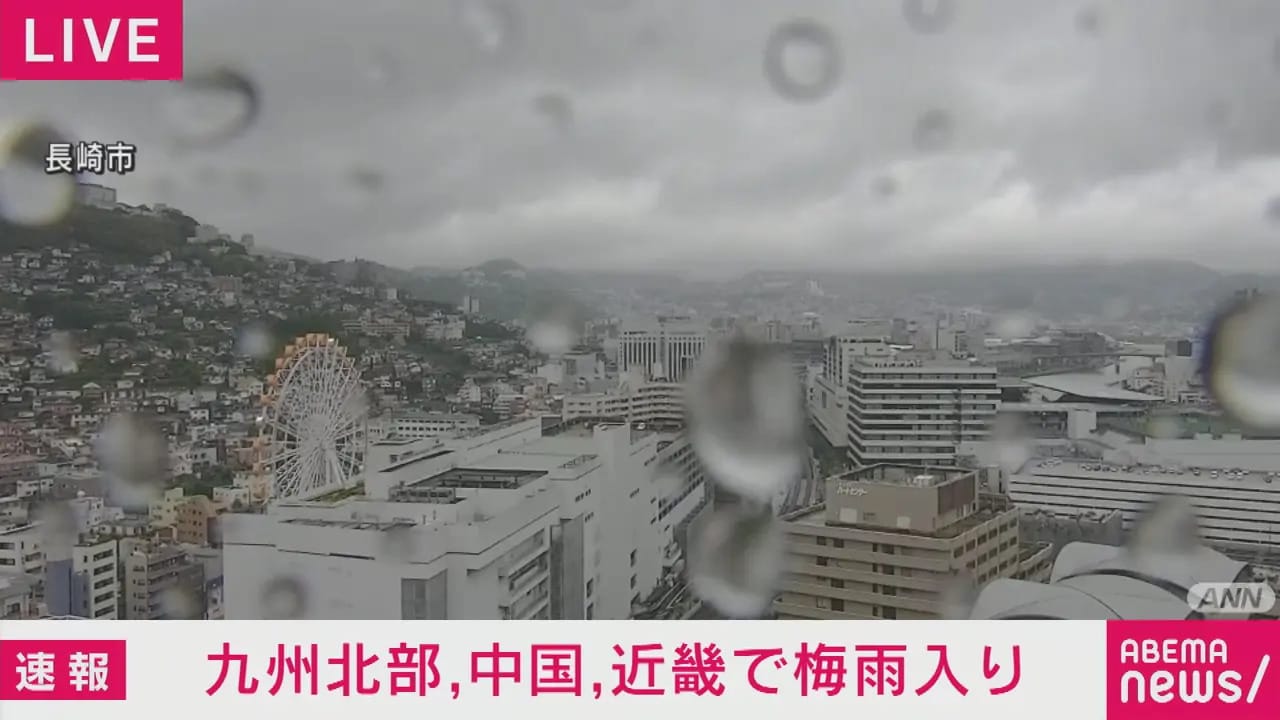
Every summer, you'll hear that some part of Japan has "entered the rainy season" — but tsuyu, as it's known, isn't quite like rainy seasons anywhere else. Around June each year, the Japan Meteorological Agency formally declares the start of tsuyu region by region, and the whole country shifts gears: news bulletins, shops, even ryokan switch into rainy-season mode. On June 4, 2026, the agency announced that northern Kyushu had officially entered tsuyu — right on schedule, matching the historical average date despite earlier forecasts of a late start. If you're planning a trip to Fukuoka, Yufuin, or Kumamoto between June and mid-July, understanding tsuyu is step one to a smooth itinerary.
What Exactly Is Tsuyu?
Tsuyu (written with the characters for "plum rain") refers to the roughly six-week stretch from late May to mid-July when a stationary weather front parks itself over Japan, bringing persistent grey skies and rain. The name's most common origin story: this is when plums ripen, hence "plum rain."
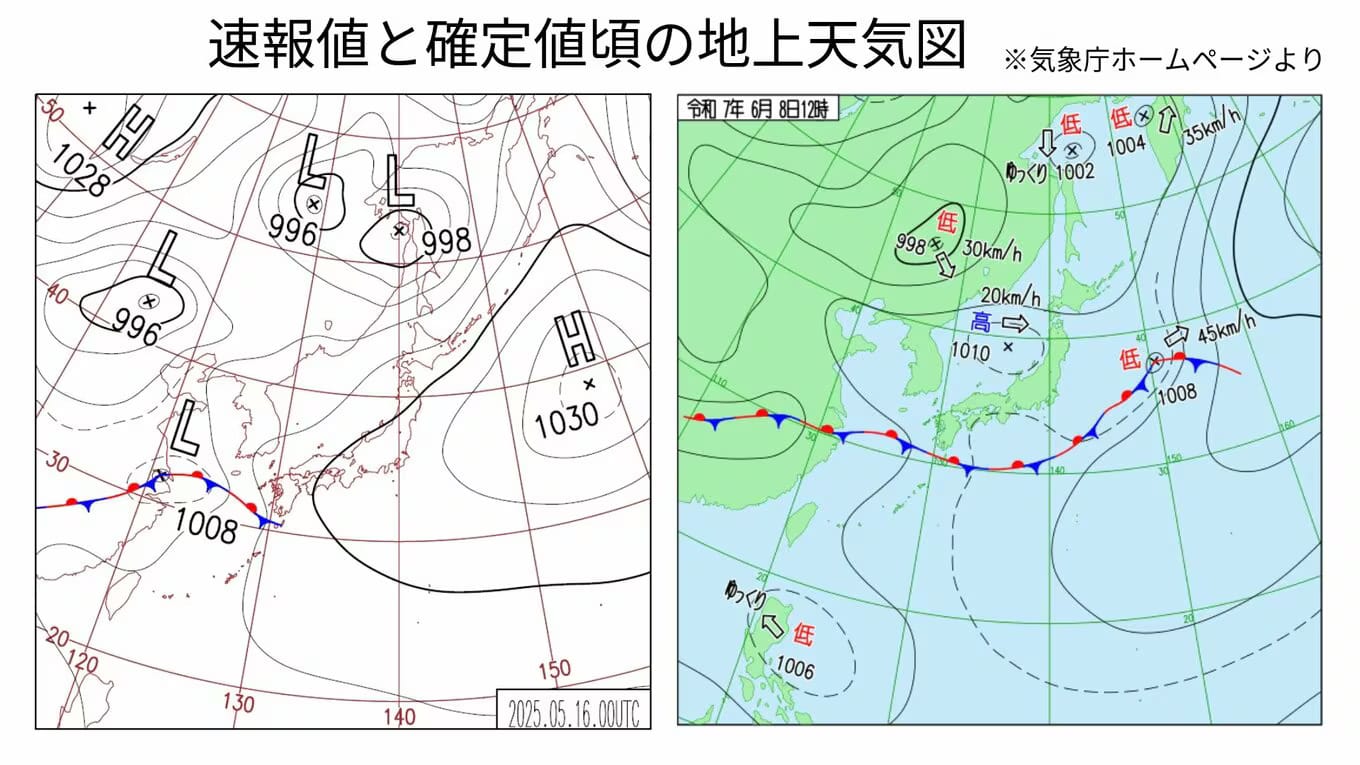
Think of tsuyu as a rainy season with an official stamp of approval. The Japan Meteorological Agency studies current conditions and the week-ahead forecast, then formally announces the start (tsuyu-iri) and end (tsuyu-ake) dates for each region. TV news reports it almost like a national holiday — there's a genuine sense of occasion to it every year.
A few things set tsuyu apart from rainy seasons you may know elsewhere:
- The rain pattern: Tsuyu is mostly day after day of overcast skies with on-and-off showers — not necessarily constant downpours, but the light stays grey for weeks. When the front is active, though, it can unleash record-breaking torrential rain.
- Humid, but mild: Daytime temperatures in Kyushu during tsuyu usually sit between 23 and 28°C (73–82°F) — far more comfortable than the sweltering heat of a tropical wet season.
- A clear beginning and end: Once tsuyu is declared over, the weather flips almost overnight into brilliant midsummer blue skies. The line is unmistakable.
Kyushu's 2026 Rainy Season: Dates and What to Expect
According to preliminary figures from the Japan Meteorological Agency and data from the Japan Weather Association, northern Kyushu (Fukuoka, Saga, Nagasaki, and Oita) entered tsuyu around June 4, 2026 — exactly in line with the historical average. The front has been active in these early days, and forecasters are already warning of intense rainfall and thunderstorms.
The rainy season in northern Kyushu typically ends around July 19, meaning the whole thing lasts roughly six weeks. But the year-to-year variation is huge: in 2025, northern Kyushu entered tsuyu as early as May 16 and was done by June 27, while in 2020 it dragged on until July 30, with rainfall hitting 192% of the average. There's no way to lock in an end date ahead of time, so if you're travelling in mid-July, come prepared for the possibility that it's still raining — and check the latest forecast before you go.
A Rainy-Season Exclusive: Hydrangeas at Their Peak
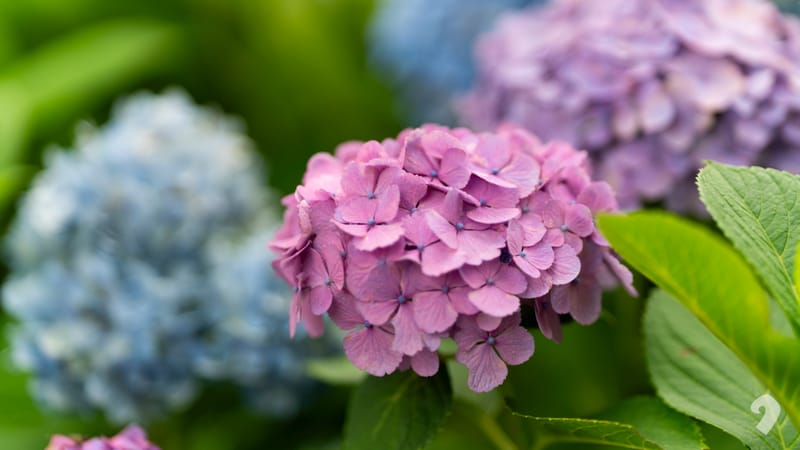
Visiting Kyushu during tsuyu isn't something to grit your teeth through — this is hydrangea season, and the flowers (ajisai in Japanese) are the undisputed stars. The rain makes their colours richer: layer upon layer of blue, purple, and pink against wet stone paths and temple eaves. Honestly, the scenery has more atmosphere in the rain than under clear skies.
If you'd like to see hydrangeas in Kyushu, have a look at our companion article, Kyushu Hydrangeas 2026: Six Stunning Spots, Bloom Times, and How to Get There, which goes into much more detail.
Rainy-Day Backup Plans: Prime Time for Onsen and Indoor Outings
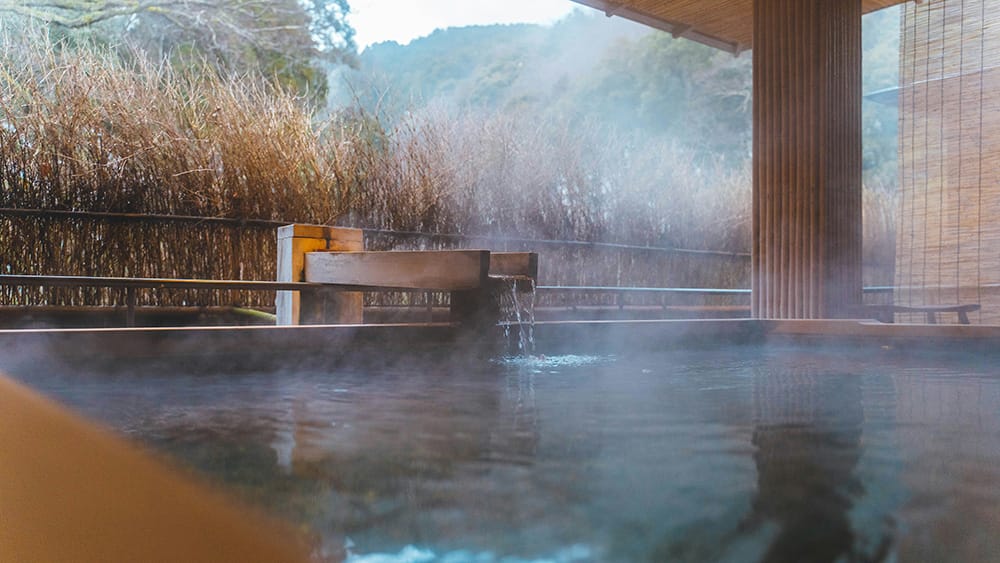
Tsuyu is actually perfect for slow travel. Hot spring towns like Yufuin, Beppu, and Kurokawa take on a whole different character in the misty rain — soaking in an open-air bath while raindrops fall and steam curls around you is arguably a deeper experience than on a sunny day, and you don't even need to stay overnight to try it. Off the beaten path, there are plenty of hidden-gem cafés worth lingering in too — more on those another time. In the city, Fukuoka's big indoor complexes like Canal City Hakata and the Tenjin underground shopping streets combine shopping and dining under one roof, or you can spend the day bargain-hunting at the outlets. Even a full day of rain doesn't have to mean a wasted day.
When planning, use a "Plan A, Plan B" approach: prepare one outdoor option and one indoor option for each day, then check the morning forecast and decide. Japanese weather apps like tenki.jp and Yahoo! Weather offer hour-by-hour rain forecasts that are remarkably accurate — use them well and you can slip out for photos during the breaks between showers.
Practical Tips: What to Pack and What to Watch Out For
Packing list
- A folding umbrella, or one of the clear plastic umbrellas sold at any convenience store (around 500–700 yen; prices may vary)
- Waterproof shoes or quick-dry sneakers, plus a spare pair of socks
- A lightweight waterproof jacket for outdoor sights
- Resealable plastic bags to keep moisture away from your camera and electronics

Getting around
- Heavy rain during active front periods can delay or suspend JR Kyushu trains and highway buses — check the official service status pages on the day you travel
- If you're driving, mountain roads occasionally close due to heavy rain, so confirm conditions before setting out
- Kyushu's prefectures sometimes issue evacuation advisories during downpours; keep an eye on hotel notices and your phone's emergency alerts
Temperature and what to wear
Daytime temperatures in Kyushu in June run around 23–28°C (73–82°F) with high humidity, so short sleeves plus a light jacket will do. Indoor air conditioning runs cold, though — bring a shawl or layer for long train and bus rides.
Rainy-season Kyushu means thinner crowds, lusher greenery, seas of flowers, and flights and hotels noticeably cheaper than in peak summer. Pack a good umbrella, line up your indoor backups, and a tsuyu trip can be every bit as rewarding. The June hydrangeas won't wait — these first few weeks after the season starts are the time to go.